
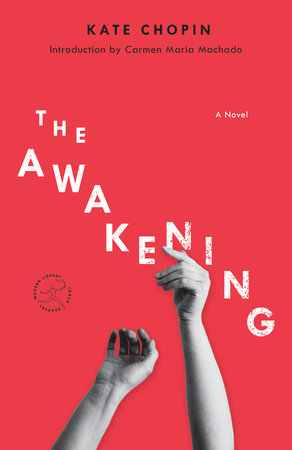
The Awakening
During a summer on Louisiana’s Grand Isle, Edna Pontellier begins to question the roles her comfortable marriage and motherhood have assigned her.
About
Spoiler notice: Spoilers discuss Edna’s relationships and changing living arrangements; the final scene and ending are withheld.
The Awakening begins at Grand Isle, a Louisiana resort where the Pontellier family spends the summer among other visitors from New Orleans. Edna is twenty-eight, married to Léonce and mother to two young boys. The first scenes establish a marriage that looks secure from the outside: Léonce attends to business and leisure, while Edna is expected to care for the children and maintain the household. Yet she does not experience those duties as the whole of herself. In the warm, social rhythm of the island, ordinary encounters begin to sharpen her awareness of what she wants and what she has accepted without examining.
Robert Lebrun, the son of the resort’s proprietor, becomes Edna’s close companion during the summer. His attention differs from her husband’s practical assumptions, and their conversations give her space to speak and imagine. Edna’s feelings for Robert matter, but Chopin makes her change wider than a romance: Edna starts to question the rules that define a wife’s affection, a mother’s obligations and a woman’s proper place. Adele Ratignolle, her affectionate friend, seems at ease within domestic life; Mademoiselle Reisz, an independent pianist, follows a more solitary path. Neither woman simply supplies an answer for Edna. Their different lives help her see the limits and possibilities around her.
The sea is one of the novel’s central presences. At first it belongs to the landscape of summer: bathing, boats and the sound of waves accompany the guests’ routines. Edna’s growing ability to swim gives that setting a more private force. In the water she experiences her body and choices with a new vividness, though the freedom she feels also brings uncertainty. Chopin returns to the shore and water as Edna’s inner life shifts, letting natural description carry feeling without reducing her experience to a simple lesson. The island’s open horizon contrasts with the social world waiting for the family in the city.
When summer ends, Edna returns to New Orleans, where Robert has left for Mexico and Léonce resumes his business life. She takes up painting more seriously and begins to resist the calls and visits that once filled her days. Her husband interprets these changes through his concern for appearances and household order; Edna increasingly treats time and attention as her own. Alcée Arobin enters her social circle, and their intimacy complicates how she understands desire and attachment. The novel does not present independence as a clean break from other people. Edna’s decisions affect her children, friendships and finances, and the options available to her remain shaped by class and marriage.
A move to a smaller house Edna calls the “pigeon house” gives her a modest measure of practical independence. She plans to earn money from her art and imagines living by arrangements she has chosen herself. The change is real but limited: Léonce’s wealth and social standing still frame the family’s circumstances, and Edna cannot simply step outside the expectations surrounding women of her position. As Robert returns, the emotional questions she has been carrying come closer to the surface. Chopin’s restrained scenes of conversation, meals and visits make the pressure legible in small exchanges as much as in dramatic declarations.
First published in 1899, The Awakening is set in late nineteenth-century Louisiana and pays close attention to the distinctions of Creole New Orleans society, its manners and its domestic ideals. Chopin follows Edna’s efforts to imagine a life that includes creative work, erotic feeling and self-direction, while showing how few secure paths are available to her. The Modern Library Torchbearers edition pairs the novel with an introduction by Carmen Maria Machado. This edition was published in 2019 as a 240-page paperback. The story’s frank treatment of marriage and desire sits alongside its careful attention to ordinary domestic details, giving Edna’s changing sense of self both social context and personal consequence.
Robert and Alcée Arobin bring different questions into Edna’s changing life. Robert’s companionship at Grand Isle helps her recognize a longing that extends beyond the island summer, while Alcée enters the New Orleans world in which she tries to act on her own desires. Neither relationship can stand in for the whole of her awakening. Her interest in painting, her refusal of routine social duties and her decision to live in a smaller house all show her testing freedom in practical ways. The book keeps those choices connected: desire may prompt change, but money, family and social expectation still shape what change can mean.
Chopin’s close third-person narration keeps much of the story near Edna’s impressions, while allowing the habits of her community to show through visits, gossip and household arrangements. The shifts between Grand Isle’s summer leisure and New Orleans’ more demanding routines give the novel a changing pace. Music, sketching, clothing and food recur as parts of everyday life, but they also mark the spaces Edna can occupy and the pleasures she can pursue. These details keep the conflict grounded in a particular world. Edna’s desire for self-direction may be inward, but its costs and possibilities are shaped by the people, customs and resources surrounding her.
Book details
- Author
- Kate Chopin
- First published
- 1899
- Series
- No series listed
- Subgenre
- Literary historical fiction, Modern classics, Literary fiction
- Primary genre
- Historical Fiction, Literary Fiction
- Tags
- No tags for this book.
Review
Editor profile
Baby Bat
Goodreads and social links will be added soon.
- Goodreads — link coming soon
- Social media — link coming soon