
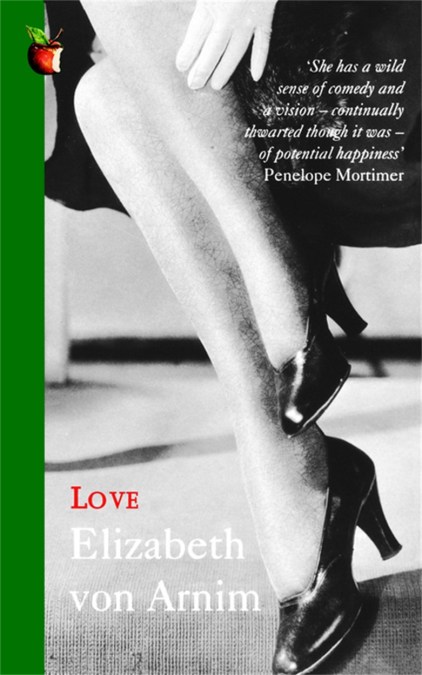
Love
At a London theatre, Catherine Cumfrit, a widow with an adult daughter, meets Christopher Monckton, a much younger man whose enthusiasm for the same play brings them together.
About
Spoiler notice: This overview discusses the marriage, Virginia’s childbirth and death, and Catherine and Christopher’s final conversation.
Catherine Cumfrit and Christopher Monckton meet because neither seems able to stop going to The Immortal Hour. The London theatre has enough empty seats for its small company of enthusiasts to recognize one another, and their carefully counted visits become an excuse for conversation. Christopher moves closer, Catherine smiles, and the beginning of Love makes their shared pleasure feel easy before either understands what may follow it. His first impressions are affectionate but incomplete. He notices her pretty clothes, her voice and something that makes him suspect she is married, without knowing how to define the difference between her and the younger women he knows. The scene establishes a relationship in which genuine delight arrives before an accurate picture of the other person's life.
Catherine is a widow, and her first marriage to George belongs to a quieter history than the one Christopher is about to imagine for them. She has an adult daughter, Virginia, whose marriage to Stephen Colquhoun, a considerably older clergyman, places another unequal pairing beside her own developing romance. These family arrangements matter because people do not judge all differences of age in the same way. A young woman's marriage to an older man can be treated as respectable while an older woman's happiness with a younger one becomes something others feel entitled to scrutinise. The novel explores those responses through particular households and conversations. Catherine has been accustomed to understanding herself through marriage and motherhood; Christopher's interest asks her to consider a future that does not simply continue those familiar roles.
He is twenty-five, and she understands that the difference between them is greater than he initially supposes. Her resistance to marriage includes anxiety about what he may sacrifice and about how his feelings will survive time. Christopher's confidence gives her another story to believe: that being loved can transform how she feels and even how she looks. Their affection does not develop at precisely the same speed or in precisely the same form. He is passionately in love while she initially finds comfort and reassurance in being loved. This difference becomes important as she moves from enjoying his attention to committing herself to him. What appears to him an obvious happiness remains, for her, a choice made with knowledge he does not fully share.
The visit to Virginia and Stephen's household at Chickover places the romance under the pressure of family expectations. Catherine's wishes have to compete with established ideas about her proper place, and her daughter's marriage gives Stephen a position from which to pronounce on other people's conduct. Virginia is also someone Catherine loves, so conflict with that household cannot be reduced to a choice between a lover and unimportant critics. The distance that opens between mother and daughter follows Catherine into the period before her own wedding. When she finally agrees to marry Christopher, the registrar's record states plainly what emotional reassurance has softened: she is a widow of forty-seven, and he is a bachelor of twenty-five. They go to the Isle of Wight carrying different ways of describing the happiness ahead.
The second part follows marriage beyond its promise of escape from objections. Catherine wants to remain the woman Christopher believes he has married, and her appearance becomes something she works to maintain through colouring her hair and beauty treatment. The effort gives practical form to a fear that devotion might depend on an image time will take away. Christopher loves her, yet his expectations do not automatically make it easy for her to reveal what sustaining that image involves. The story keeps their private uncertainty close to the daily relationship. Catherine's wish to protect him from disappointment can also conceal her own needs, while his enthusiasm for their happiness leaves him poorly prepared for a change he cannot simply wish out of existence.
Virginia's childbirth brings Catherine back into a family crisis that overwhelms those efforts. Stephen, previously so assured in his judgments, becomes helpless with distress, and his mother must attend to him while Virginia suffers. Catherine finds familiar barriers dropping as the older woman speaks with an openness their earlier relations did not allow. The baby survives, but Virginia dies. Bereavement changes Catherine's sense of what deserves her remaining energy, including the work of making herself look young. Christopher arrives to find an alteration he cannot separate from his own fear of losing their life together. Her changed appearance is visible, but the death beneath it is not something he can understand merely by asking her to restore the face he remembers.
Their final conversation takes place with no easy agreement about what love now requires. Catherine admits the concealment of her grey hair and offers divorce, believing that freeing Christopher may be the most generous thing she can do. He hears the proposal as another threatened loss and insists that he wants to care for her. His protests mix tenderness with anger and with difficulty looking at the change in her face; her apparent calm also conceals the depth of her grief. Eventually they embrace and each proposes taking care of the other. The novel stops before that promise can be tested. They try to laugh, but both remain afraid. Mutual devotion is present at the ending alongside uncertainty about how to live with what they now know.
Book details
- Author
- Elizabeth von Arnim
- First published
- 1925
- Series
- No series listed
- Subgenre
- Literary fiction, Modern classics
- Primary genre
- Romance, Literary Fiction
- Tags
- No tags for this book.
Review
Editor profile
Baby Bat
Goodreads and social links will be added soon.
- Goodreads — link coming soon
- Social media — link coming soon