
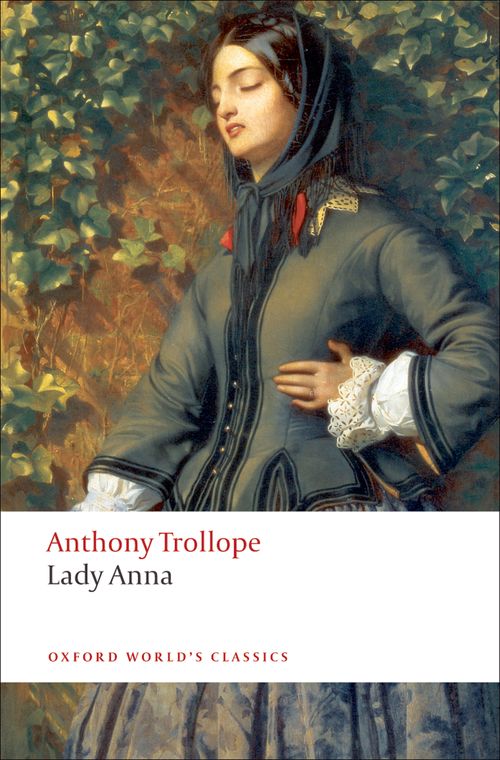
Lady Anna
After Earl Lovel repudiates his wife Josephine and daughter Anna, the Countess spends years pursuing recognition of her marriage and Anna’s inheritance.
About
Spoiler notice: Full-plot spoilers, including the inheritance settlement, the Countess's attack on Daniel and Anna's marriage.
Josephine Murray's marriage gives her the title she wants and then turns that title into the object of a long struggle. Earl Lovel repudiates her by claiming that he already had a wife, leaving both Josephine's position and their daughter Anna's legitimacy under attack. Anthony Trollope's Lady Anna follows the consequences of that denial into a dispute about inheritance, marriage and the authority one person may claim over another. The mother's determination initially seems inseparable from the daughter's interests: recognition would vindicate them both. But the future Josephine imagines for Anna depends upon more than winning a legal case. She wants her daughter to occupy the social position for which they have suffered, and she finds Anna's own choice of husband an intolerable threat to that achievement.
The help that sustains them during their exclusion comes from a family whose standing will later become an obstacle. Thomas Thwaite, a tailor, supports Josephine's cause and helps mother and daughter through years when their aristocratic connections offer little security. His son Daniel becomes Anna's friend and the man to whom she promises herself. That history creates obligations which cannot be settled as readily as a financial account. To Josephine, the tailor's assistance belongs to the struggle that should restore the Lovels to their rightful place. To Anna, life with the Thwaites has also produced a personal attachment that remains meaningful when her circumstances change. The very relationship that made their survival possible becomes unacceptable to the mother once its consequences extend to marriage.
The old Earl's death leaves an estate as contentious as his conduct in life. His will favours Camilla Spondi, while the heir to his title and the disowned wife and daughter pursue competing interests. Evidence about the alleged earlier marriage is difficult to establish, and the uncertainty gives the lawyers reasons to seek an arrangement that will avoid an outright victory for either branch of the family. A marriage between Anna and the young Earl appears to offer the answer. It would unite people whose claims are in conflict and allow a settlement to look like a reconciliation. The proposal turns a woman's future into the instrument for tidying up a disputed inheritance, with affection expected to supply whatever the legal calculation has left unfinished.
The young Earl is not presented simply as an odious alternative whom Anna can dismiss without difficulty. His feelings become part of the problem, and the attractions of the life available to her are real enough to give the pressure force. Nevertheless, Anna has made a promise to Daniel. She must decide whether the people who now acknowledge her rank also have the right to decide which earlier commitments she may retain. Daniel's position is equally uncomfortable: he resists the assumption that a title makes him unworthy, while facing the suspicion that devotion to a wealthy woman must conceal an interest in her money. Trollope lets questions of class enter the language of honour, gratitude and good advice, where prejudice can present itself as concern for someone else's happiness.
Josephine's opposition becomes increasingly coercive as Anna refuses to surrender her choice. When Daniel comes to Keppel Street, the Countess claims the authority to prevent access to her daughter; he answers that Anna is of age and entitled to act for herself. Anna's arrival and embrace make the conflict impossible to keep as a negotiation between the two older speakers. Her mother alternates threats, appeals and requests for delay, interpreting resistance as the cruelty of a child who has forgotten what was endured for her. Even when others accept that the marriage must be allowed, Josephine cannot accept their judgement. Having fought so fiercely against a husband's denial of her rights, she struggles to recognise the independence of the daughter whose rights she helped secure.
The next confrontation turns that struggle into physical violence. The Countess has bought a pistol and placed it within reach in her desk, imagining an act that will prevent the marriage even at the cost of her own life. When Daniel returns, he continues to demand access to Anna and refuses to abandon her. As he turns towards the door, Josephine takes the weapon and shoots. Daniel survives, and the attack does not give her the control she sought. The legal outcome and financial arrangements also move beyond her intended solution: Anna gains the fortune and makes a substantial provision for the young Earl. Her generosity separates the recognition of another person's needs from the claim that meeting those needs requires her to marry him.
Anna and Daniel's wedding at Yoxham is attended by people whose outward participation does not erase their private objections. The Solicitor-General praises their long attachment, but some relatives and guests continue to regard the tailor as a disappointing match. Daniel feels the scrutiny, and the celebration contains awkwardness alongside its handsome arrangements. Afterwards Anna visits her mother, hoping for a reconciliation that remains incomplete: Josephine will not share a life with Daniel, though she no longer renews the same battle. The couple leave for Sydney, while the Countess returns to Lovel Grange with the young Earl's permission. There she enjoys unquestioned recognition and gives generously to local people, yet lives largely alone. The rights she fought for have been established, but the daughter who once seemed their whole purpose has a future she cannot make her own.
Book details
- Author
- Anthony Trollope
- First published
- 1873
- Series
- No series listed
- Subgenre
- Literary fiction, Modern classics
- Primary genre
- Literary Fiction
- Tags
- No tags for this book.
Review
Editor profile
Baby Bat
Goodreads and social links will be added soon.
- Goodreads — link coming soon
- Social media — link coming soon