
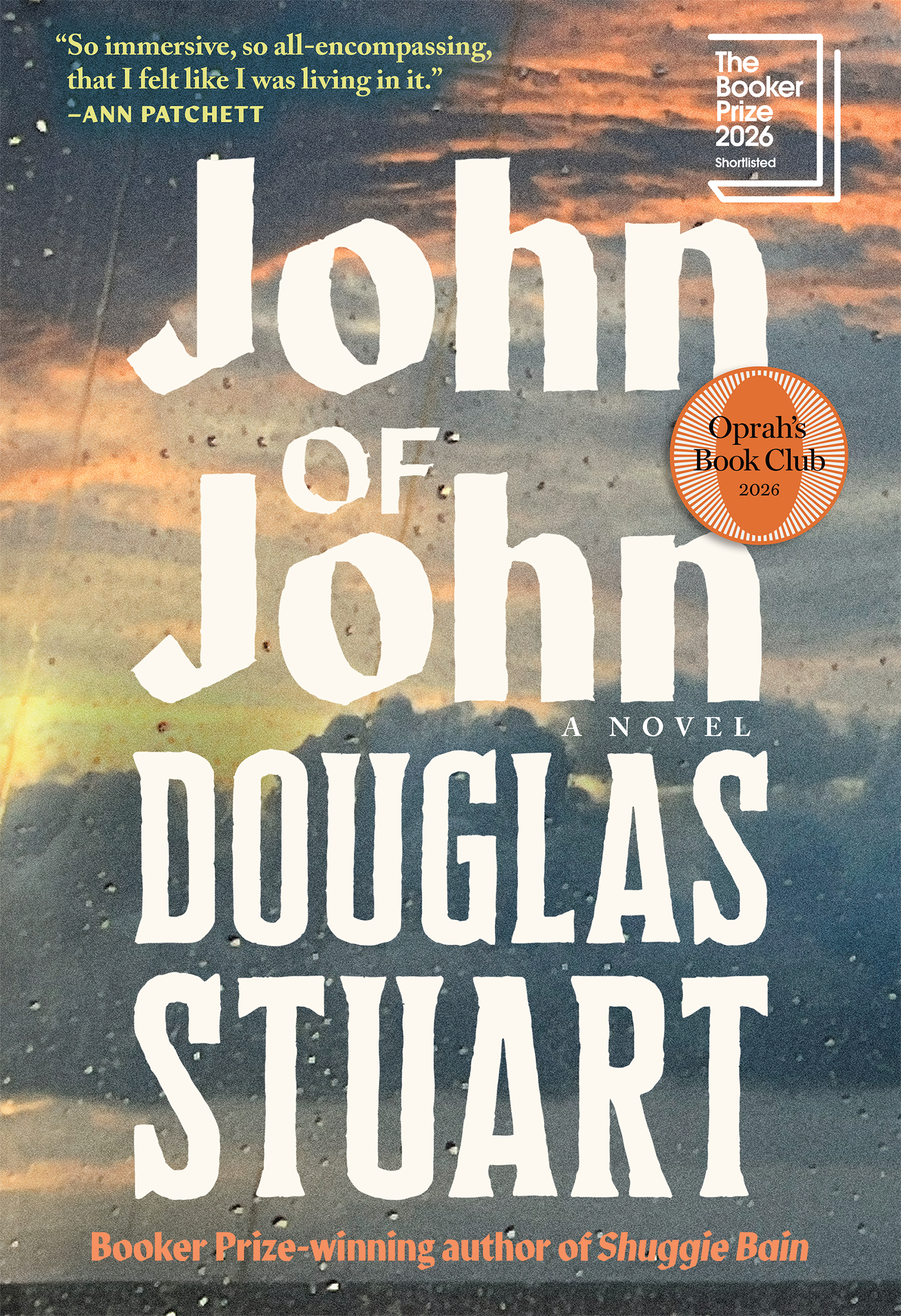
John of John
After art school in Edinburgh, John-Calum Macleod returns to the Isle of Harris, where his father John’s Presbyterian faith and expectations shape family life.
About
Spoiler notice: Spoilers for the premise and early family setup, including Cal’s return to Harris, the household’s central relationships, and John’s hidden love for Innes. Later disclosures and the ending are not summarized.
John of John begins with a return. John-Calum Macleod, known as Cal, has left art school in Edinburgh with debt and few plans, and goes back by ferry to the Isle of Harris in the Outer Hebrides. His home is a croft shaped by work, family history and the Free Presbyterian Church. The novel is set in the 1990s, when older island customs and the pressures of a changing world meet in the ordinary routines of a close community. Cal’s return does not restore the childhood place he left behind: he is older, uncertain about what he wants, and visibly changed in ways his father finds difficult to accept. The ferry journey makes home a physical destination, but the story quickly shows that belonging also involves family names, work, faith and the judgments of neighbours. Stuart places Cal’s private questions inside a landscape and community where people’s lives are closely observed.
Cal returns to the household of his father, John Macleod, a sheep farmer, tweed weaver and respected lay preacher, and his maternal grandmother Ella, who has lived on Harris for decades after leaving Glasgow. Ella’s warmth and outspoken manner provide a counterweight to John’s strictness. She remembers the family’s past and cares for Cal, while her relationship with John carries the tensions of years spent sharing a home. The family history includes Cal’s mother’s departure, an absence that shaped his childhood and the household that remained. Rather than treating the croft as a simple refuge, the story makes it a place where care, dependence and resentment sit close together. John’s authority comes from more than being a father: it is reinforced by his position in the church and by the practical work that sustains the family. Cal must re-enter this arrangement while deciding how much of himself he can show there.
The distance between father and son is expressed through everyday expectations. John is dismayed by Cal’s long hair, clothes and apparent reluctance to be saved, and he expects his son to respect the religious life that structures the island. Cal, meanwhile, has spent time away and is trying to understand his desires and future on his own terms. The conflict is not only a disagreement about belief. It concerns who gets to define a good life, what a son owes his family, and whether affection can survive when it is expressed through discipline and restraint. In the official extract, a stranger on the ferry asks Cal who he belongs to, and his answer draws on a chain of family names and the inherited identity of a weaver. The question follows him home: he is attached to the people and place that formed him, even as their expectations threaten to limit his choices.
John’s own life complicates the certainty with which he judges Cal. He is deeply committed to the church and its moral order, yet he has long loved his neighbour and close friend Innes. Their feelings remain concealed under the conventions of island life and the demands of the congregation. Innes has his own family responsibilities and a life built beside John’s, so this attachment exists within a web of loyalties rather than apart from it. The two men’s silence is connected to the secrecy and shame that shape the household and the wider community. The novel therefore gives the father and son parallel struggles: Cal is trying to name a future his father cannot easily accept, while John is caught between desire and a faith that leaves little room for it. Their circumstances differ, but the distance between what they feel and what they can say links them.
The croft and surrounding island economy give those intimate conflicts a material setting. John farms sheep and weaves tweed; the cycle of lambing and shearing marks the passage of time and keeps family labour at the centre of daily life. The community is close-knit, Gaelic-speaking and strongly Presbyterian, with church, kinship and neighbours shaping what can be said openly. This texture makes Harris more than a backdrop: geography and livelihood help explain why leaving, staying or breaking with a family expectation carries practical as well as emotional consequences. The novel’s setting also holds change in view. Cal’s education and time away bring different possibilities into the croft, while the people around him remain tied to traditions that have helped them endure. Their world is neither presented as timeless nor easily dismissed; it is a living community negotiating continuity, privacy and the force of outside change.
Across these intersecting lives, John of John follows the cost of secrecy and the fragile bonds that keep a family together. Its central relationships include affection as well as conflict: Ella offers Cal understanding, John and Cal remain bound by a love neither can easily express, and John’s friendship with Innes carries a history that cannot be separated from his public role. Stuart’s subject is not only the pressure exerted by a religious community, but also the complicated ways people use duty, work and faith to make a life. The title itself invokes lineage and belonging, while the novel asks what those inheritances permit and what they demand. The result is a family novel and a coming-of-age story rooted in a particular place and decade, where the search for an honest self must contend with the claims of home.
Book details
- Author
- Douglas Stuart
- First published
- 2026
- Series
- No series listed
- Subgenre
- Coming-of-age, Family novel, Historical fiction
- Primary genre
- Literary Fiction
- Tags
- No tags for this book.
Review
Editor profile
Baby Bat
Goodreads and social links will be added soon.
- Goodreads — link coming soon
- Social media — link coming soon