
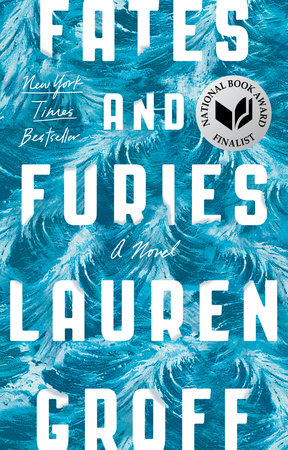
Fates and Furies
Lotto and Mathilde are twenty-two, newly married and apparently destined for success.
About
Spoiler notice: Spoilers for the novel's shift in perspective and Mathilde's concealed history. The account avoids describing the ending.
Fates and Furies begins with a couple who seem to have stepped into a story already arranged for triumph. At twenty-two, Lotto and Mathilde are tall, attractive, newly married and in love. Their friends envy them; success appears to wait just ahead. Lauren Groff follows their marriage across twenty-four years, yet the book is less interested in confirming that polished image than in testing what it leaves out. A life shared by two people can look coherent from the outside while holding sharply different meanings for each of them. The title points toward both fortune and retaliation, suggesting from the outset that marriage may contain forces more complicated than romance or luck.
The novel is divided into two named halves, “Fates” and “Furies,” and that structure shapes what a reader can know. The first part stays close to Lotto and the account he makes of his life. His early ambitions centre on acting, but he becomes known as a playwright; public acclaim gives the marriage a story its friends and acquaintances can easily admire. Lotto’s apparent good fortune seems to gather around him, from family privilege to artistic recognition. Groff lets this first account develop its own logic, with his understanding of events guiding the reader’s sense of the couple. Details that might otherwise appear ordinary take on a different weight when they are filtered through a person who believes he knows what his life means.
Mathilde occupies that first half as Lotto’s wife, a steady presence beside his work and success. The public version of their partnership makes her support look natural and uncomplicated, as if her role were simply to help the more visible talent flourish. But the novel has already made perspective part of its subject: the account of a marriage depends on whose life is brought into focus. When the story turns toward Mathilde, the change is not a minor correction to a few facts. It opens a second, substantial account of the same life and asks how much of the first one depended on Lotto’s limited view. The structure turns reading itself into a reconsideration, as earlier scenes remain in place while their significance shifts.
Mathilde’s half reaches back into her life before Lotto and gives her a history that his account could not supply. Groff discloses the circumstances that shaped Mathilde’s guardedness and anger, along with the secrets she has kept within the marriage. The shift does not simply replace a false story with a complete, neutral one. Instead, it brings another consciousness into view and makes the reader attend to the differences between memory, interpretation and fact. A spouse may be central to another person’s story and still remain partly unknown. The book’s perspective change is therefore also an emotional change: what seemed like an easy balance between a celebrated husband and a devoted wife begins to look more unequal, and more difficult to judge.
Artistic work connects the couple’s private life to the roles they inhabit in public. Lotto’s plays bring him recognition, while the novel asks readers to notice the effort, intelligence and influence that can remain uncredited when one partner becomes the celebrated artist. Creative partnership here is neither a simple tale of a hidden genius nor a tidy account of one person’s sacrifice. The spouses’ ambitions, resentments and contributions intersect over time, and the questions of authorship and attention echo the larger question of who gets to define a marriage. Groff places the work of making art beside the work of making a shared life, showing how admiration can coexist with dependence and how intimacy does not guarantee equal recognition.
The book also resists treating Lotto and Mathilde as symbols in a clean argument about men and women. They are people with histories, appetites and blind spots, and their understanding of one another remains incomplete even after decades together. The division into two halves invites comparison without making either voice an all-seeing authority. Secrets complicate the comfort of a single explanation, while the long span of the marriage gives choices time to gather consequences. Groff’s approach makes room for affection, anger, ambition and betrayal in the same relationship. The tension lies in how these feelings coexist, and in how much can change when a familiar event is retold by someone who experienced it differently.
Fates and Furies is ultimately concerned with the stories people build around love and with the limits of those stories. Lotto’s rise and Mathilde’s account of their life do not fit together as a perfect public narrative; nor does the book offer a simple verdict that resolves every contradiction. Its title’s mythic terms lend the marriage a heightened scale, but the questions remain recognisably intimate: what can one person know about another, what kinds of work are visible, and what do spouses owe each other when the past is withheld? By following a couple through fortune, artistic success and concealed history, Groff makes the form of the novel carry its central concern. The same marriage can be both a shared life and two distinct, unfinished accounts.
Book details
- Author
- Lauren Groff
- First published
- 2015
- Series
- No series listed
- Subgenre
- Literary fiction, Family saga
- Primary genre
- Literary Fiction
- Tags
- No tags for this book.
Review
Editor profile
Baby Bat
Goodreads and social links will be added soon.
- Goodreads — link coming soon
- Social media — link coming soon