
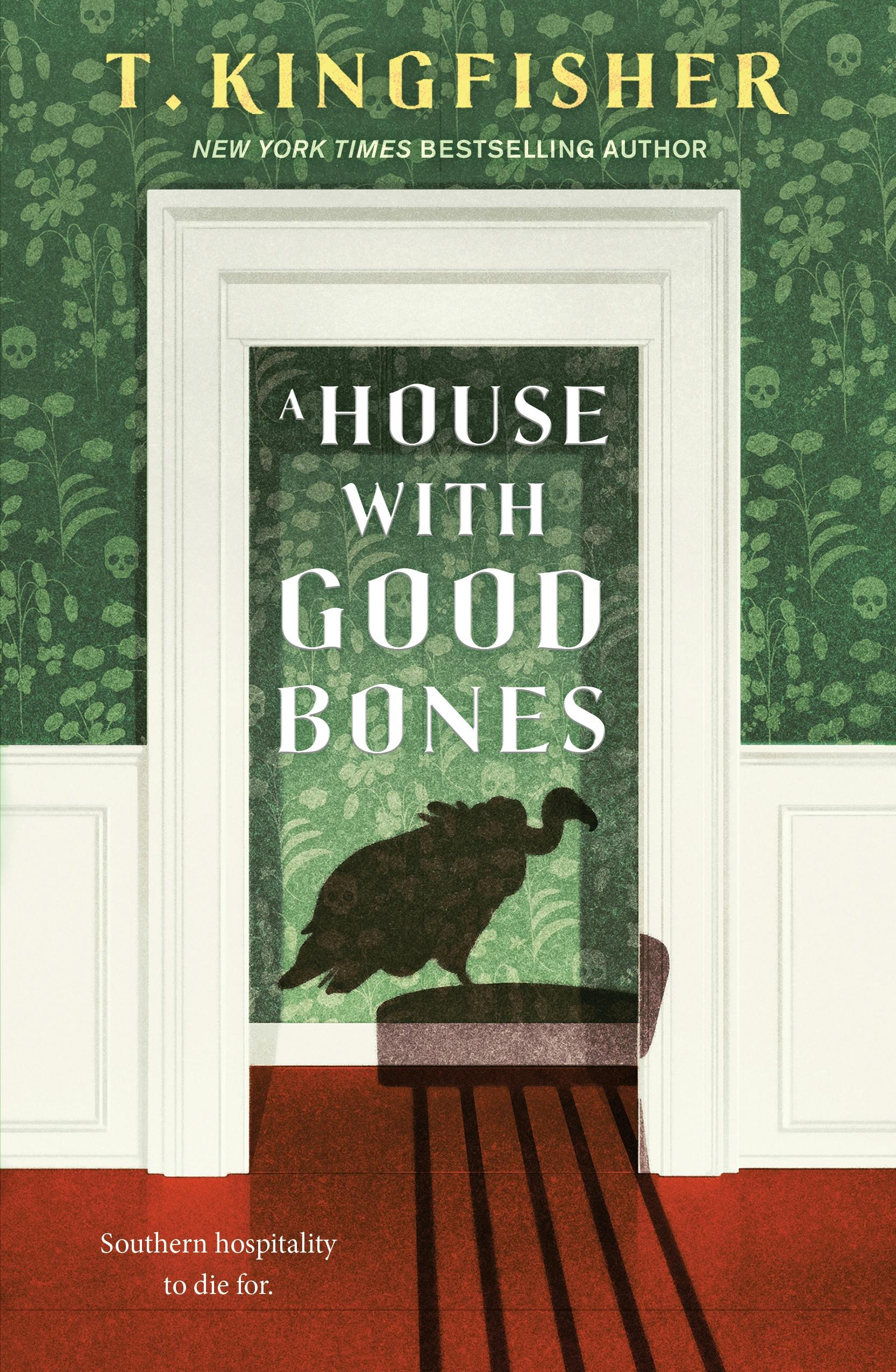
A House With Good Bones
When an archaeological dig is paused, archaeoentomologist Sam Montgomery returns to her mother’s rural North Carolina home.
About
Spoiler notice: Spoilers for the premise and opening setup, including Sam’s return to her mother’s home and the first unsettling clues. Later plot revelations and the ending are not summarized.
A House With Good Bones begins with a homecoming that feels familiar until its details stop agreeing with memory. Samantha Montgomery, called Sam, is thirty-two and has been furloughed from an archaeological dig after human remains are found. With her room already sublet and no clear return date, she drives from Tucson to her mother’s house in rural North Carolina. The first image is a black vulture perched on the mailbox of the house Sam still thinks of as her grandmother’s. Its presence is strange, but the welcome is recognisably domestic: a hug, bags carried inside, a plan for pizza and an offer to rest after the drive. The comfort is immediately unsettled by what Sam notices in the person greeting her.
Sam’s mother has lost a startling amount of weight, seems harried, and has repainted the once-colourful rooms in shades of white. Sam’s brother had already said that their mother seemed unlike herself; the visit gives that concern a physical setting. Because the house belonged to Gran Mae before it became her mother’s, changes to the rooms also touch family memory. Sam knows the bright colours from childhood and recalls moving into the house after her grandmother died. Now even her old bedroom has been repainted. Her mother’s explanations sound ordinary on their own, but Sam keeps noticing small mismatches between what she remembers and what the house presents. The opening builds unease through a series of modest changes instead of beginning with an unmistakable supernatural event.
The voice guiding these observations belongs to someone trained to look closely at material traces. Sam is an archaeoentomologist: she studies insects preserved in archaeological remains, usually through samples and photographs rather than dramatic fieldwork. The excavation that brought her back from Arizona to North Carolina has stopped while human remains are identified and their living relatives considered. That interruption is a practical reason for her stay, but her professional habits shape how she responds to the house. She notices what has changed, asks what evidence might explain it and resists jumping to a conclusion. Her attention to insects also gives the story a way to connect the ordinary garden with the uncanny. Natural details are not scenery alone; they become part of the question Sam is trying to answer.
Outside, the garden appears carefully maintained. Gran Mae was a devoted rose gardener, and the bushes remain conspicuously healthy around the property. Vultures recur overhead and at the mailbox, while the absence of ordinary insect life becomes another troubling observation. Sam’s work makes that absence legible to her, though expertise does not provide an immediate explanation for it. The familiar suburban surroundings deepen the contrast: the house sits on a quiet private lane with neighbouring homes, a watchful resident across the street, and everyday local routines. Kingfisher’s setting keeps the threat close to recognisable life. Roses, a family home, a neighbour and a mother’s changed habits carry the atmosphere before Sam can say what connects them. Her explanations may be scientific, familial or supernatural, and the early chapters leave those possibilities in play.
Sam’s return is also a story about caring for a parent while trying to understand the family that shaped her. She comes expecting time with her mother, shared meals and television, but finds a woman who is anxious, unusually thin and reluctant to discuss what has changed. Sam’s first instinct is concern rather than accusation. She considers ordinary explanations and wonders whether her mother could be ill. That response matters because the mystery cannot be separated neatly from a real relationship: treating every oddity as a clue risks misreading someone she loves, while ignoring them could leave her mother unsupported. The novel places Sam between those possibilities. Her brother’s warning gives her a reason to pay attention, but the evidence arrives through conversations, rooms and habits that are intimate rather than objective.
As the unusual events accumulate, Sam turns toward the family past for answers. The search reaches beyond the immediate question of why her mother has changed and into the history attached to the house. The publisher’s description identifies Gran Mae as the first member of the family to put down roots in the town, and the story brings her legacy into focus through the garden and the older stories surrounding the property. Other people nearby also become relevant, including Gail, a wildlife rehabilitator who was Gran Mae’s rival, and Phil, the local handyman. These connections widen the investigation from a private household to a neighbourhood with its own relationships and recollections. Sam’s scientific training encourages her to assemble evidence, but family history is not a clean archive: what people remember, avoid and pass down affects what can be known.
The title’s promise of a house with solid foundations develops an uneasy double meaning. A home can be structurally sound and still carry a history that its present occupants do not understand. Here, fresh paint, familiar roses and a routine visit offer an image of normality, while the vulture, the garden’s ecological oddness and Sam’s mother’s behaviour steadily challenge it. The novel combines domestic mystery with Southern Gothic and supernatural horror, but its early tension grows from recognition: Sam knows how the house used to look, and she knows how her mother used to act. Her investigation asks whether the frightening change lies in the building, in the family history attached to it, or in the explanation she has not yet found. This account covers the setup and opening clues; later revelations and the ending are left open.
Book details
- Author
- T. Kingfisher
- First published
- 2023
- Series
- No series listed
- Subgenre
- Southern gothic, Haunted house
- Primary genre
- Horror
- Tags
- No tags for this book.
Review
Editor profile
Baby Bat
Goodreads and social links will be added soon.
- Goodreads — link coming soon
- Social media — link coming soon